Hussein Al-Rubaie 2026: A Clearer Payment Route for Iraqi Dinars at the Casino
I once watched a transfer move from a digital wallet to a casino cashier, and it stalled halfway: ZainCash there works through a linked card, not a direct deposit, and that difference changes the whole decision before you move any Iraqi dinars. I also learned that knowing the deposit method does not equal knowing the withdrawal route, since the two often differ. This page gathers what Hussein Al-Rubaie writes about wallets, cards and agents: how he checks fees and limits, and where a reader should start to understand both the deposit and withdrawal route.
This page sets out Hussein's scope in breaking down wallets, cards and transfers, so a reader can tell a deposit method apart from a withdrawal route before carrying out any transaction.
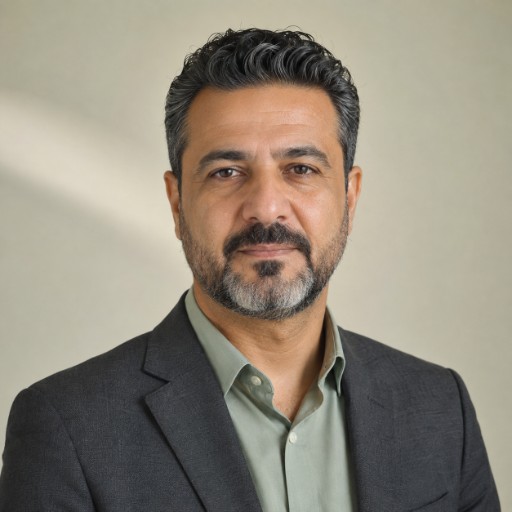
Hussein covers ZainCash, AsiaHawala, FastPay, Qi Card, NassPay and FIB, plus prepaid cards, crypto and agent top ups. Whether a route works is decided inside the casino cashier itself, not by how widely a service is used in Iraq, and any figure on the page comes from that service's official source.
This profile describes Hussein's expertise only through his editorial role and the pages he writes for the site, without adding a credential, years of experience or any working relationship with a payment provider.
Where does Hussein's expertise sit?
The points below show how Hussein tracks a payment route from the moment of deposit through to confirming that a withdrawal can actually be received.
- Local wallets: shows whether the route is a direct deposit or passes through a linked card or an outside intermediary.
- Cards: separates the card's issuer, its network, its deposit acceptance, and its ability to receive a withdrawal.
- Transfers and agents: explains the steps and possible risks without presenting the agent as a guarantee for the transaction.
- Fees and limits: publishes a figure only when the provider has announced it officially, with a reminder that it can change.
- Crypto: explains the technical side of the route without complicating the financial context.
- Iraqi experience: prioritizes the Iraqi dinar, phone-based use, identity verification, and the method that actually accepts withdrawals.
How does Hussein examine each payment method?
He writes the payment provider's name exactly as the provider publishes it, then pins down where acceptance actually happens. A wallet may be accepted directly inside one operator's cashier, or the alternative may be a card issued by the service or a top-up through an agent. Each format carries its own conditions and risks, so the acceptance route is described every time a payment provider is mentioned.
Separating deposits from withdrawals is central to this review. Receiving winnings or a refund needs its own clear route, because a card succeeding at sending money does not necessarily mean it can receive money back, and a provider's processing time is not always the casino's processing time. Currency, fees, limits and timing are only stated when the provider publishes them clearly, and readers should check the current cashier and ask support before making any transfer.
Hussein also examines the wording of the claim itself. A phrase like Iraqi wallet only describes the service's intended audience, and a card logo usually signals a general payment gateway unless the cashier confirms direct acceptance. He therefore names precisely which party receives the money and the step the funds pass through, and spells out for the reader the condition that the payment cashier actually sets.
The review also covers the identity verification step, matching the name to the phone number, and keeping the transaction's reference number. Hussein recommends starting any clearly documented route with a small amount from a pre-set entertainment budget, without retrying automatically after a delay or switching to another service to get around a responsible limit that has already been set.
What has Hussein Al-Rubaie written on the site?
The list below gathers the pages Hussein Al-Rubaie writes for the site, and every link actually exists.
What are the limits of this coverage?
Hussein's pages explain payment routes and the conditions that can change a reader's decision. An operator or payment provider may adjust acceptance, fees or limits at any time, so readers should check the current cashier and the source's terms before any transaction. For the details of Iraqi gambling law, see the Iraq gambling page.
The site is for adults aged 18 and over, and easy payments do not make the games any less risky. Hussein recommends setting a fixed entertainment budget and a loss limit, then stopping immediately and using self-limit or self-exclusion tools when deposits repeat or losses are being chased. Any outdated payment information can be reported through the contact page along with a link to the relevant official source.